Cutting-Edge Solutions in Mechanical Systems: Full-Scale Services for Modern Industries
Cutting-edge innovations in mechanical technologies are redefining today's industries. Such developments are centered around maximizing production output while addressing operational challenges. Robotics, automation, and real-time data analysis play pivotal roles in this transformation. As organizations pursue sustainable efficiency, the adoption of innovative materials and methodologies becomes essential. The implications of these developments are profound, inspiring deeper scrutiny of their role in shaping design and operational strategies. What new developments will determine the direction of mechanical engineering?
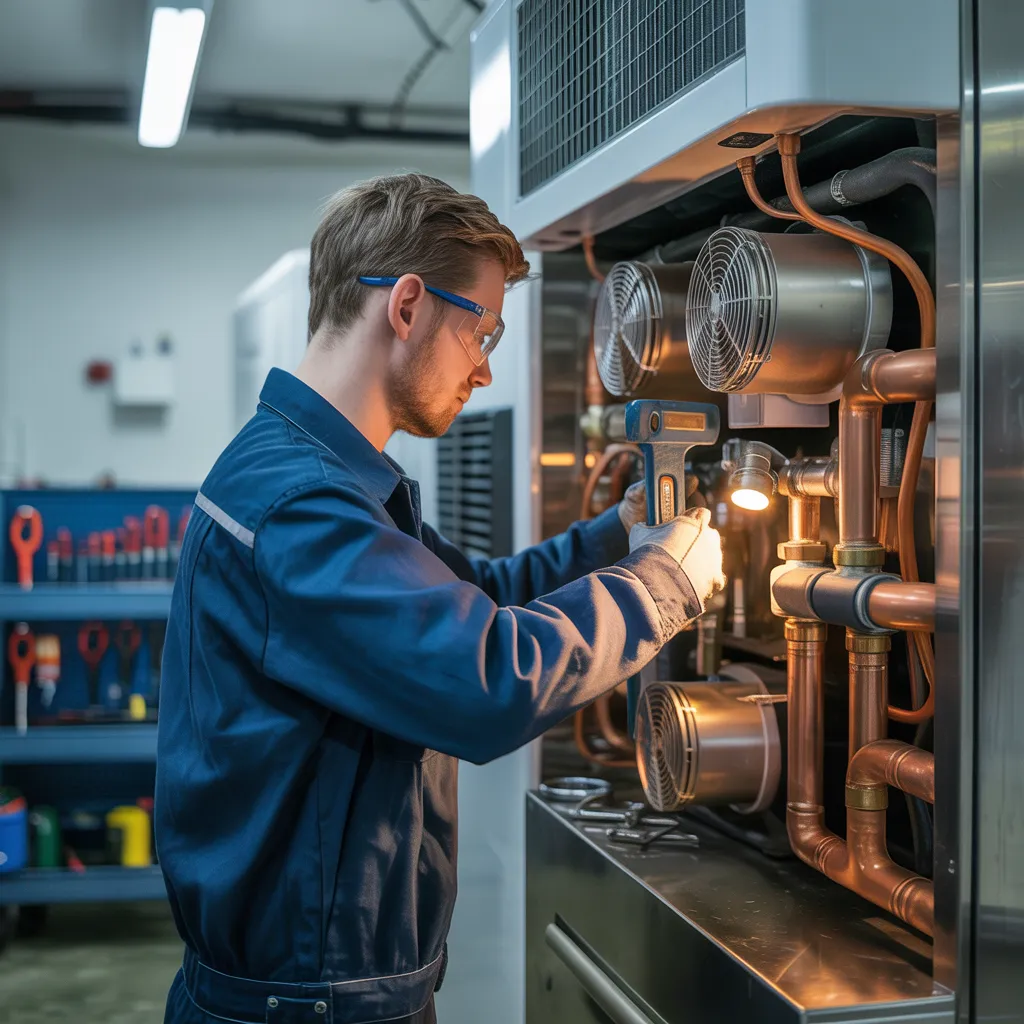
The Impact of Mechanical Systems on Modern Industries
At a time when efficiency and innovation are essential, mechanical systems hold a fundamental place in modern industrial sectors. Such systems incorporate a broad spectrum of summary technologies, including automation, robotics, and a variety of machinery, all designed to enhance productivity. Within manufacturing, mechanical systems simplify operations, reduce human error, and optimize resource allocation. Their implementation enables the swift production of goods, enabling companies to adapt quickly to market demands.
In addition, mechanical systems are instrumental to the maintenance and reliability of industrial operations. Predictive maintenance techniques, enabled by sophisticated sensors and analytical data, confirm machinery functions at optimal levels, limiting periods of inactivity. This level of reliability is crucial in fields such as energy, aerospace, and automotive industries, where accuracy and safety are paramount. Overall, mechanical systems remain indispensable, driving advancements that simultaneously improve efficiency and stimulate innovation across diverse industrial sectors.
Breakthroughs Overcoming Issues in Mechanical Systems
Advancements in mechanical systems are critical for addressing current difficulties faced by various industries. Sophisticated robotics implementation improves the efficiency of automation, while predictive maintenance strategies reduce operational costs and downtime. Moreover, advances in energy conservation promote long-term sustainability targets, rendering these developments indispensable for the future of industrial growth.
Advanced Robotics Integration
With industries facing ever more intricate obstacles, the integration of advanced robotics into mechanical systems emerges as a pivotal solution. Such integration boosts operational efficiency, allowing for precise automation in manufacturing processes. Robots equipped with artificial intelligence can adapt to varying tasks, streamlining production lines and reducing human error. In addition, advanced sensors enable real-time data collection, supporting improved decision-making and efficient resource allocation. These robotic systems also improve workplace safety by assuming dangerous tasks, consequently lowering hazards for human employees. Beyond this, the versatility of robotic systems promotes customization, empowering industries to react promptly to market needs. Overall, advanced robotics adoption signifies a substantial leap forward in resolving the diverse challenges confronting modern mechanical systems.
Predictive Upkeep Approaches
Harnessing the power of advanced analytics, predictive maintenance methods have established themselves as a groundbreaking solution in mechanical equipment management. Through the use of live data streams from equipment and sensors, these methods allow businesses to anticipate machinery breakdowns before they happen. This forward-thinking approach reduces operational downtime, enhances maintenance timetables, and extends the lifespan of critical assets. Cutting-edge algorithms evaluate past performance records, identifying patterns and anomalies that signal potential issues. Consequently, businesses can allocate resources more efficiently, reducing costs associated with unplanned repairs and operational interruptions. Furthermore, adopting predictive maintenance cultivates an environment of ongoing enhancement, motivating sectors to integrate cutting-edge solutions that improve dependability and efficiency. Therefore, companies can preserve their market position in progressively competitive industries.
Energy Efficiency Advancements
Given the increasing focus on sustainability, energy efficiency innovations are reshaping mechanical systems to address pressing challenges. These advancements focus on reducing energy consumption while maintaining ideal performance. Technologies such as variable frequency drives (VFDs) and advanced materials greatly enhance system efficiency, minimizing waste and lowering operational costs. Furthermore, incorporating smart sensors enables real-time monitoring and dynamic adjustments, enhancing overall energy utilization. Systems designed to recover and repurpose waste energy equally contribute to meeting sustainability objectives. Through adopting these advancements, businesses can not only meet regulatory requirements but also secure a competitive advantage in a marketplace increasingly shaped by environmentally aware consumers. Consequently, energy efficiency innovations are pivotal for modern mechanical systems.
How Mechanical Systems Improve Efficiency and Sustainability
Mechanical systems redefine efficiency and environmental responsibility throughout numerous industries by integrating advanced technologies and streamlined processes. These systems optimize resource utilization, cutting down on waste and reducing overall energy use. To illustrate, automated equipment boosts production efficiency while reducing the likelihood of human error, leading to higher output and quality. Furthermore, predictive maintenance systems support timely corrective actions, preventing costly downtime and extending equipment lifespan.
Across fields like manufacturing and construction, mechanical systems facilitate the integration of renewable energy sources, such as solar and wind, thereby advancing sustainability goals. Advanced sensors and IoT technology allow for continuous monitoring and in-depth data analysis, maintaining maximum performance and enabling quick adjustments to preserve operational efficiency.
Furthermore, modular configurations in mechanical systems support sustainable operations by permitting effortless upgrades and enhancements, minimizing the requirement for complete overhauls. On the whole, the integration of these innovative solutions greatly enhances overall productivity and supports a more eco-conscious industrial future.
The Way Comprehensive Mechanical Services Shape Design and Implementation
Since traditional design and implementation approaches tend to create inefficiencies, full-scale mechanical services deliver an innovative solution through the incorporation of advanced methodologies and cutting-edge technologies. These services streamline processes, enabling engineers to optimize designs for performance and cost-effectiveness. Through the use of computer-aided design (CAD) and simulation software, teams can predict potential issues early, minimizing the risk of expensive modifications in subsequent stages.
In addition, wide-ranging engineering solutions encourage interdisciplinary cooperation, making certain that all components of a project are coordinated from the beginning. This holistic approach minimizes miscommunication and improves project schedules. Furthermore, the adoption of modern manufacturing techniques, including 3D printing technology, facilitates increasingly intricate designs that were once impossible to achieve. In the end, the adoption of broad mechanical services not only elevates the design and execution phases but also advances the overall sustainability and efficiency of current industrial practices, positioning companies for long-term success.
How Case Studies Highlight Future Trends in Mechanical Systems
Case studies function as powerful instruments for showcasing how evolving technologies are redefining engineering systems. By analyzing real-world applications, these analyses provide insights into pioneering practices and prospective future developments. This examination underscores the dynamic interplay between technological advancements and practical implementation in the discipline.
Overview of Emerging Technologies
As industries progressively integrate automation and advanced materials, new technologies are set to transform engineering systems. Innovations such as additive production techniques, next-generation robotics, and smart monitoring systems are reshaping how products are designed and produced. Case studies highlight how these technologies enhance efficiency, reduce waste, and enable customization. As an example, the adoption of machine learning-powered analytics in maintenance prediction has produced measurable improvements in uptime performance, reflecting a broader move toward anticipatory operational approaches. Furthermore, the application of composite materials is enabling the development of lighter yet more durable components designed to perform under demanding circumstances. Such developments not only elevate system performance but also support broader environmental objectives, suggesting a coming era defined by intelligent, robust, and sustainable engineering solutions. The trajectory of these technologies promises a new era of innovation.
Real-World Application Insights
Practical implementations of innovative technologies in mechanical systems offer valuable insights into evolving directions. Industry-specific examples demonstrate how innovations including artificial intelligence, automation, and connected systems are revolutionizing productivity. For instance, a prominent example in automotive manufacturing revealed substantial decreases in assembly duration through intelligent automation systems. In the same vein, the aviation industry has gained advantages through 3D printing technologies, which allows for fuel-efficient parts with reduced weight. These instances not only emphasize immediate benefits but also signal a shift towards more sustainable practices and customization capabilities. As sectors embrace these advancements, the information collected will shape next-generation solutions and shape the trajectory of technical infrastructure, making certain they address the evolving demands of modern markets.
Where Are Mechanical Systems Headed?
What innovations lie ahead for mechanical systems? The mechanical systems landscape is on the brink of revolutionary progress powered by artificial intelligence, robotics, and sustainable practices. Advanced automation will allow systems to function with improved efficiency and adaptability, minimizing human error and operational expenses. Furthermore, the incorporation of IoT technologies will support real-time monitoring and predictive maintenance, guaranteeing optimal performance and extended equipment lifespan.
Additive manufacturing, or 3D printing, is set to redefine industrial production methods, facilitating advanced design capabilities and significantly cutting down on waste. Furthermore, the growing emphasis on sustainability will drive industries to embrace eco-friendly materials and responsible practices, in line with worldwide environmental objectives.
As industries continue to evolve, the collaboration of engineers, software developers, and environmental scientists will be vital to drive these innovations, making certain that mechanical systems not only fulfill the requirements of modern industries but also have a positive impact on society and the planet.
Frequently Asked Questions
What Credentials Should I Seek in a Mechanical Services Provider?
When evaluating a mechanical services contractor, one must consider key qualifications including industry certifications, experience, technical expertise, and a proven track record. In addition, assessing service reliability and customer feedback can further guarantee well-informed decisions.
How Do I Evaluate the ROI of Mechanical System Upgrades?
To determine the ROI of upgrades to mechanical systems, one should assess cost savings, increased efficiency, maintenance reduction, and productivity improvements. Comparing these metrics against initial investment offers a clear understanding of monetary gains across time.
What Are Common Maintenance Practices for Mechanical Systems?
Standard maintenance procedures for mechanical machinery consist of regular inspections, systematic lubrication, alignment assessments, thorough cleaning, vibration testing, and scheduled replacement of worn parts. These procedures ensure optimal performance, prolonging equipment longevity, and reduce unplanned downtime.
How Do Mechanical Systems Work Together With Other Technologies?
Mechanical systems commonly work alongside technologies like data analytics, IoT, and automation. This combination improves efficiency, allows for predictive maintenance, and promotes real-time monitoring, thereby maximizing performance and minimizing operational costs throughout diverse industries.
What Industries Benefit Most From Innovative Mechanical Solutions?
Industries like automotive, aerospace, healthcare, and manufacturing greatly benefit from innovative mechanical solutions. These innovations boost efficiency, minimize costs, and elevate product quality, consequently driving growth and sustainability in an rapidly advancing technology-driven market.